
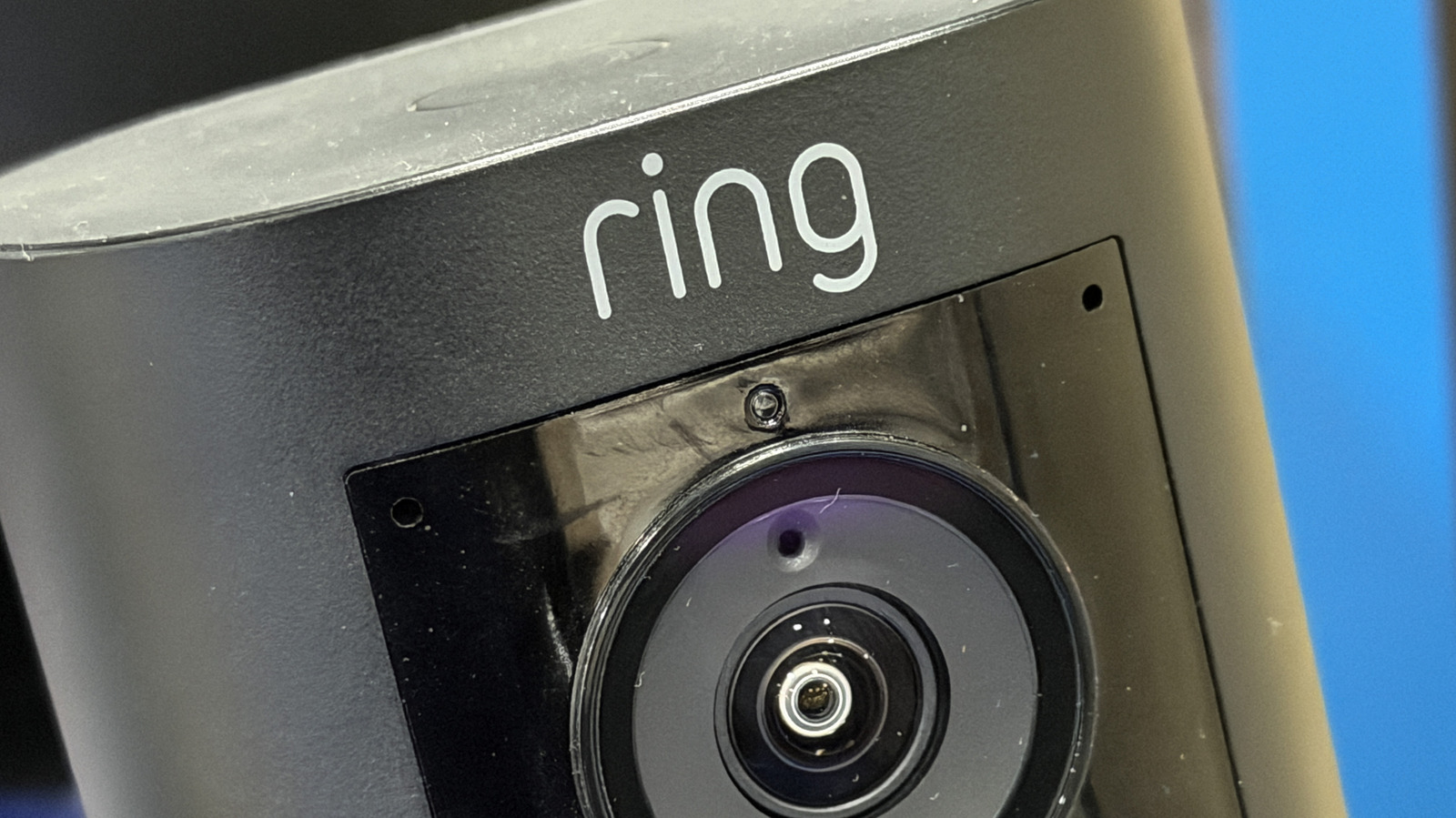
While they have benefits, Ring cameras also come with a fair share of privacy concerns, which both owners and disavowers have raised for years.
For starters, the Familiar Faces feature that debuted last year, which uses AI to recognize which friend, neighbor or relative is at your door, led to a recent lawsuit that suggested Ring and Amazon were collecting facial recognition information unbeknownst to plenty of people who walked by a Ring camera.
This suit follows widespread backlash of this year's Super Bowl commercial, which framed the AI-assisted Search Party feature as a way to find lost dogs. Of course, no one is complaining about seeking out missing pets, but people are worried about the mass surveillance.
The lawsuit and commercials came months after Ring partnered with Flock Safety in 2025, originally permitting law enforcement to request footage from Ring owners. Following widespread reactions to the pet-focused commercial, that deal was dismantled days after the Super Bowl.
In an effort to ward off negative reactions, the Amazon-owned company's recent TAKE software update (Throw Away the Key Encryption) asserts that "Ring videos are protected with unique, rotating encryption keys," putting people in full control of who can access footage. Ring likens it to a pair of house keys, as only the owner can decide who gets a spare.