
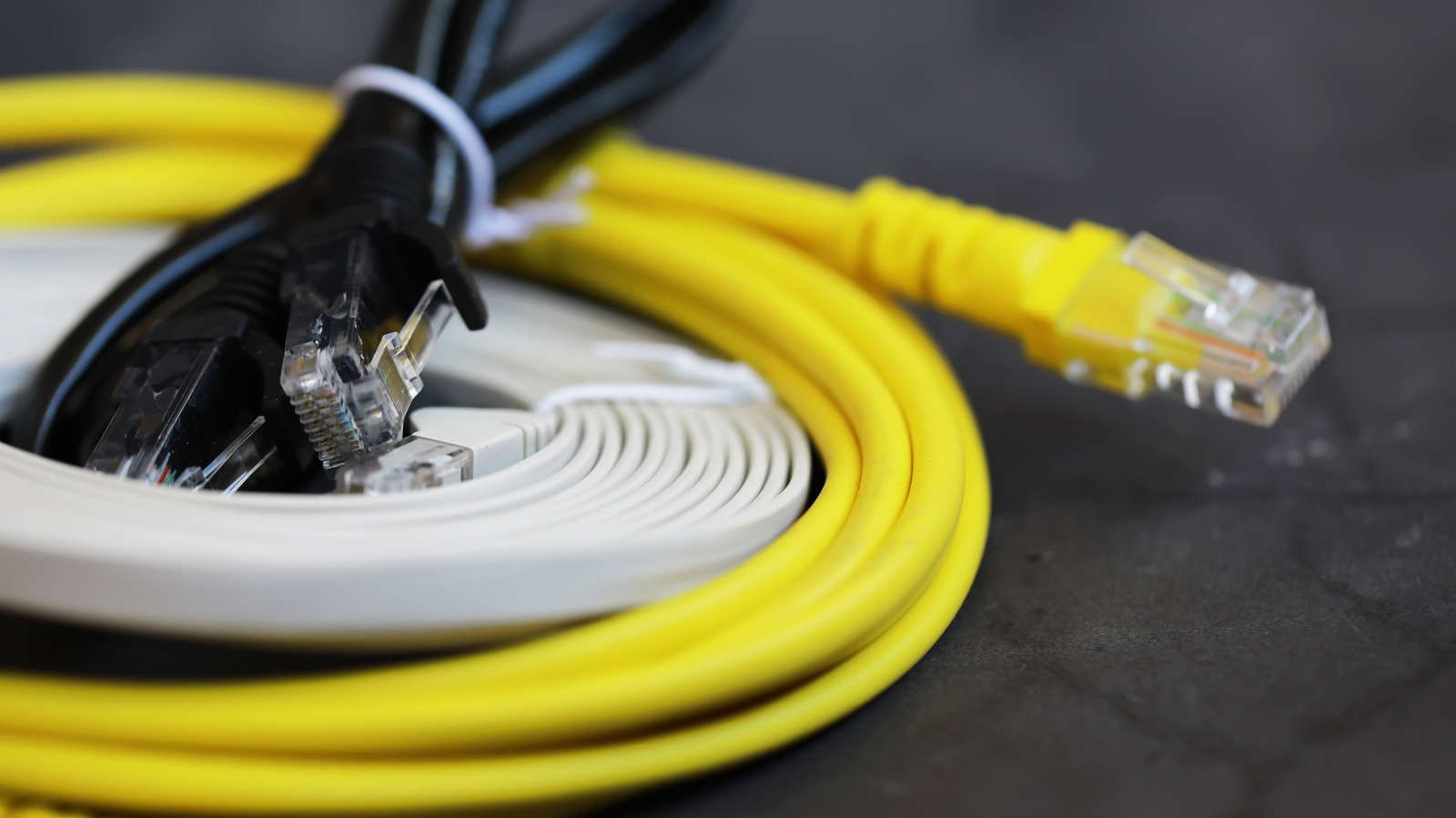
To make sure your cable can be used outside, check the printing on it. It's not always easy to read the small print, especially if it's faded a bit, so you might have to make an extra effort for it; the color or category label means nothing where this is concerned. Terms like "CMX," "OSP," "UV-resistant," "sunlight-resistant," or simply "outdoor" are what to look for. Outdoor cables will also often list their jacket material, such as PE, HDPE, or LLDPE. The National Electrical Code (NEC) requires communications cables installed in buildings to be listed and marked, and UL's guidance notes that cable evaluated for outdoor use is marked "outdoor" or "outdoor use," so the rating shouldn't be hard to confirm. Plus, the documentation that comes with them will state that they're approved for direct burial or wet locations.
Just note that an outdoor-rated cable doesn't mean its inherent toughness makes it an excellent indoor application. Some exterior cables may not meet the requirements for indoor fire safety hazards, and that includes situations where only a small section of the outdoor cable is run inside. An unlisted outdoor cable generally can't run more than 50 feet inside before it needs to terminate and transition to an indoor-rated cable, and shorter is better. Your best bet is to always read the cable's markings and any associated literature. If you're still unsure, check the local codes, especially for a permanent installation.