
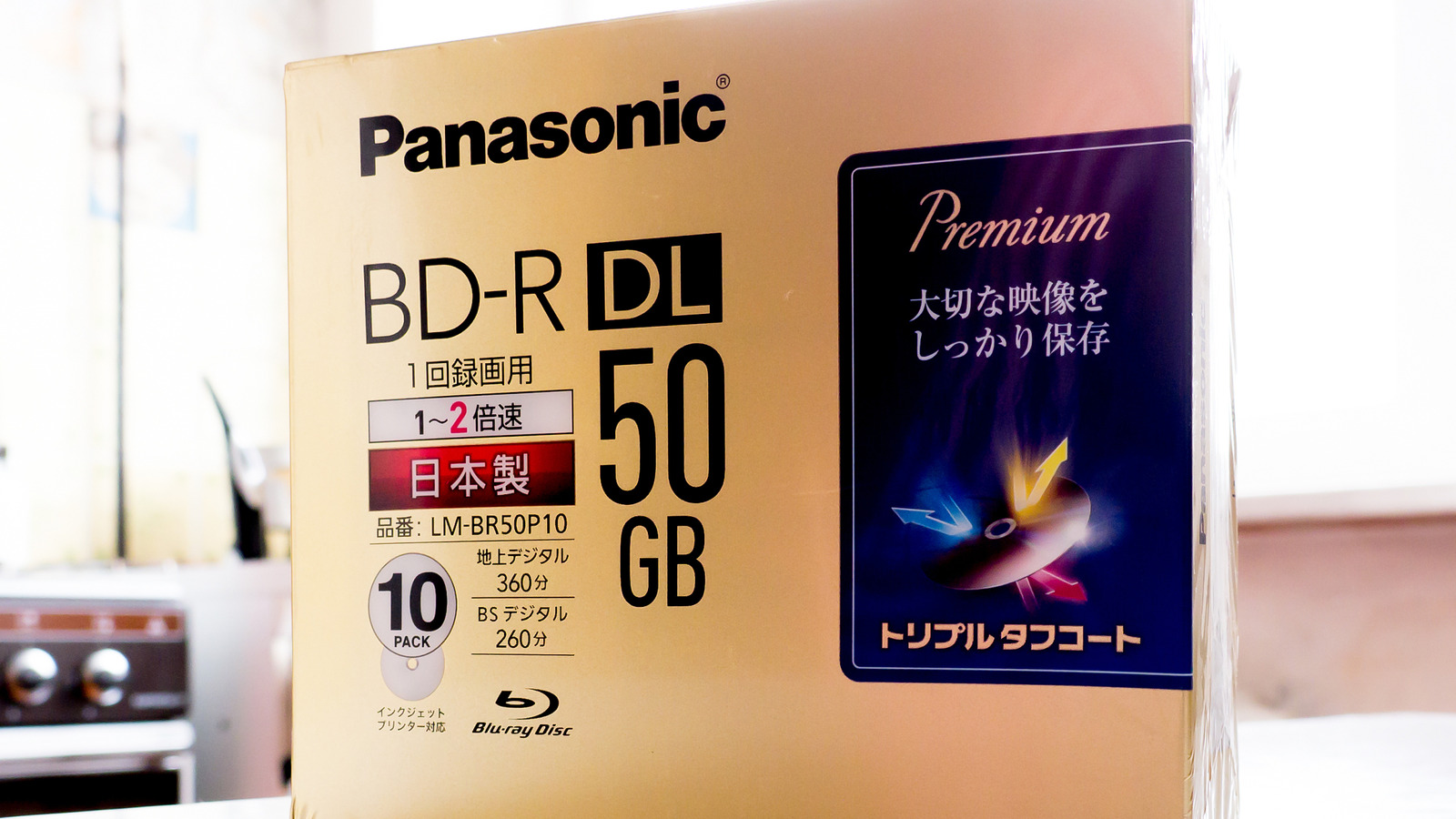
The most obvious reason is that discs are fragile. While storage in a relatively dry, dark and cool environment can deter rot, it's all too easy to accidentally crack or scratch a disc in a way that leaves it unreadable. Conversely, many external SSDs use tough metal enclosures that make physical destruction unlikely. All it might take to ruin your disc collection is forgetting that it's at the bottom of a moving box you're hauling, not the top.
Ultimately, the bigger issue might be industry support for Blu-ray. Optical drives have vanished as a default feature on computers, and companies are slowly pulling out the market for both external burners and BD-R discs, even Sony. At the moment, it's not that difficult to find burners and discs if you shop online. But there's no telling whether anyone will still be making this hardware 10 years down the road, much less 20. You could end up with an immaculately-preserved collection and no way of accessing it. Even your current drive might become useless if its software drivers cease to be compatible with later operating systems.
Whatever route you take, it's best not to be completely reliant on one storage medium for critical files. The general rule of thumb these days is to keep one copy in the cloud, and two others on separate forms of local storage. That's not always realistic — at the least, however, you should always be in a position to migrate your files to something fresher.