
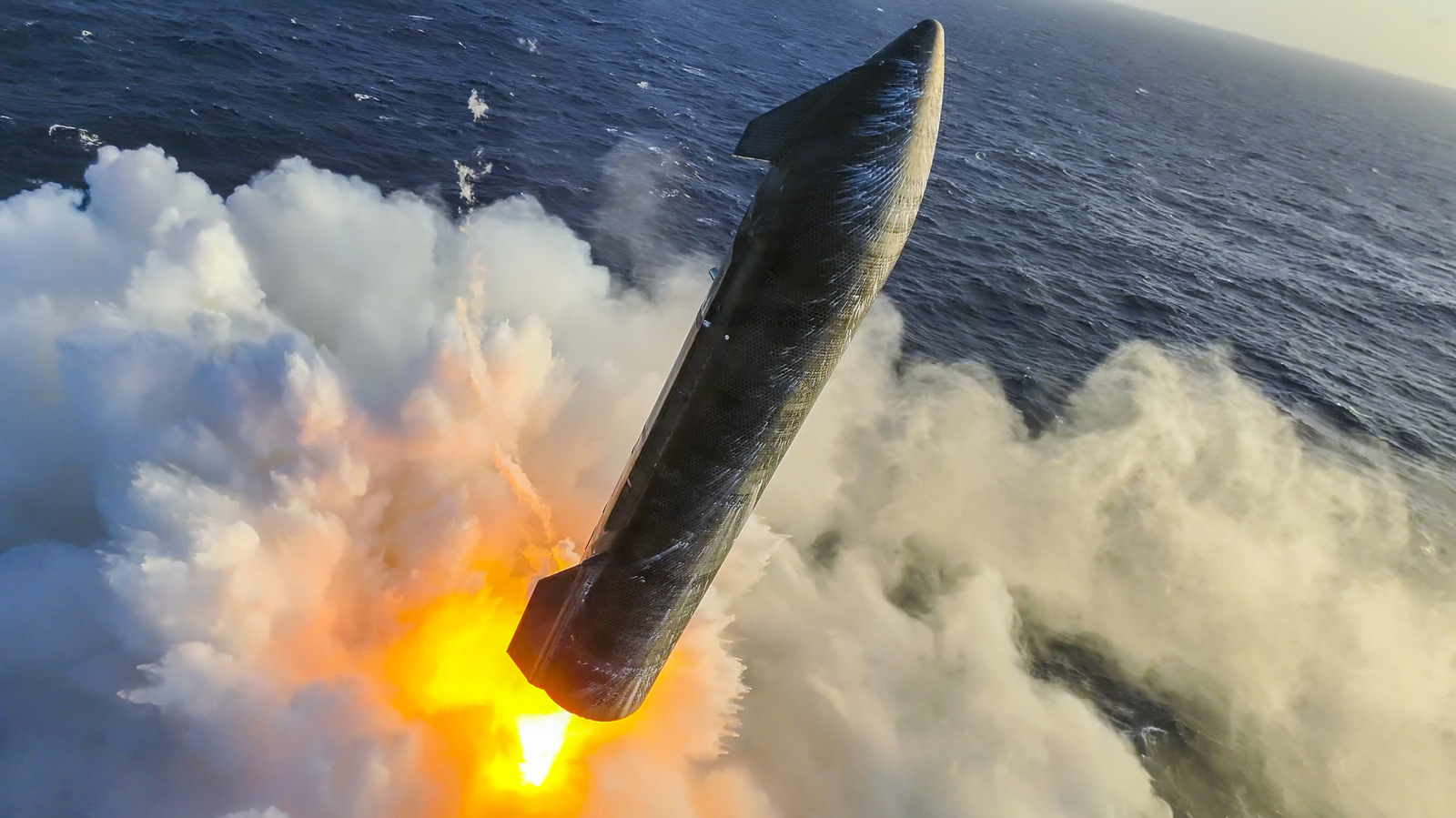
Judging each mission against its stated objectives, most Starship launches have failed to meet expectations. SpaceX, however, would likely claim that its willingness to learn from mistakes puts its true failure rate closer to zero. The better question is whether the program is learning quickly enough to keep pace with its own meteoric ambitions.
If one takes Musk's proclamations as a measuring stick, Starship has underdelivered. In 2025, Musk predicted there was a 50 percent chance Starship would land on Mars in 2026. And with the once-every-26-months Mars launch window closing this November, you can guess which side of the coin SpaceX landed on. Of course, Musk is notorious for overpromising, so this is business as usual at Starbase.
Earlier this year, NASA announced that the program had fallen behind schedule by at least two years since the Agency selected SpaceX's rocket to carry its Artemis moon lander in 2021. With China aiming to reach the moon by decade's end, the pressure is mounting. NASA hopes to return to the moon in 2028; to do so, Starship must meet the Artemis III deadline in summer 2027.
Beyond being Musk's conduit to Mars, SpaceX's most ambitious projects depend on Starship to slash costs. SpaceX's proposed 1 million-satellite datacenter constellation Starmind, for example, is impossible without a high-capacity reusable rocket. The November 13 test should provide another data point to judge SpaceX's progress, especially given its ambitions. In a Q3 earnings call, Musk stated that SpaceX will attempt to catch both the rocket and its booster, making it the
"first time that an orbital launch vehicle has been fully recovered." During the event, Musk said the mission was "more likely than not" to succeed. Starship's history may say otherwise.